


Children's doctor: Dentist
3.62.51K Reviews
App Specs
- Version
- 1.5.7
- Updated On
- License
- Free
- Downloads
- 100,000,000+
- Developer
- YovoGames
- Categories
- Educational
- Platform
- Android, iOS
Screenshots
 Analysis by AppCompare
When a child is curious about what happens at a dental appointment, a pretend-care game can make the subject feel less intimidating. Children's Doctor: Dentist turns that curiosity into a simple play session: children take the role of a dentist and work through tooth-care activities. I see its value less as a lesson that will teach clinical skills and more as a friendly way to introduce dental tools and talk about looking after teeth.
A child-friendly way to explore dental care
This is a free educational game from YovoGames, intended for everyone. It has been available since August 9, 2017, and its current version is 1.5.7. Its reach is substantial, with over 100 million installs, though its average rating is 3.6 from around 171,000 ratings. That combination suggests a widely tried game that will not be a perfect fit for every family. I would approach it as a light activity to sample together, not as a guaranteed substitute for a child’s preferred game or a real conversation about brushing.
The dental theme gives parents a natural opening: ask what a tool might do, or invite a child to explain the pretend treatment they are carrying out. That shared conversation can be more valuable than expecting the game itself to deliver a complete oral-health lesson. If a child is nervous about visiting a dentist, pretend play may offer a gentle way to discuss the topic, but I would not promise that it will reduce anxiety for every child.
What playing a dentist can offer
Right from the start, Children's Doctor: Dentist hooks you with its vibrant colors and playful graphics. The app is all about letting you step into the shoes of a dentist. The goal here? To teach kids about dental hygiene while letting them have a blast. And trust me, it does the job well.
Features that Shine
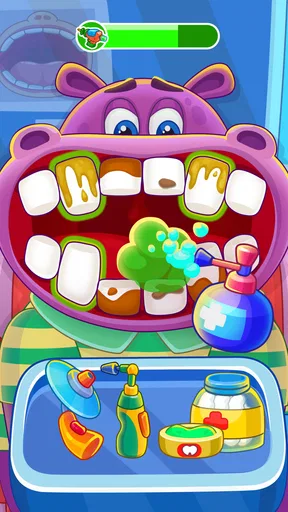
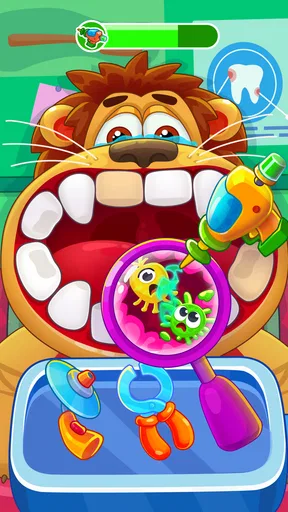
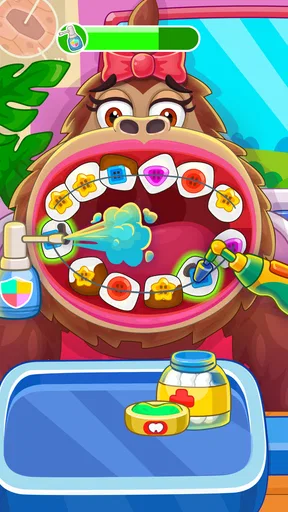
One of the first things you'll notice is the variety of tools at your disposal. From toothbrushes to dental floss, the game introduces these items in such a way that kids learn their importance without even realizing it. The interface is intuitive, making it easy for little hands to navigate.
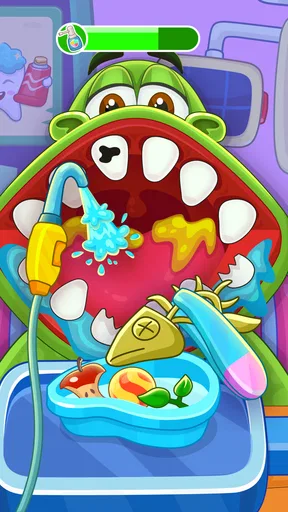
The app also features a range of "patients," each with unique dental issues. From cavities to crooked teeth, each case presents a new challenge. This variety not only keeps things interesting but also subtly educates kids about different dental problems and how they're addressed.
Interactive gameplay is another standout feature. Kids can tap, swipe, and drag tools to clean teeth, fill cavities, and even apply braces. The interactivity ensures that they’re not just passively watching but actively engaging with the content. It’s learning by doing, which is always a win in my book.
Worth Reading Before You Choose

Flipboard Shows What News Apps Must Do Beyond the Feed

Switching to Android Auto Means Rethinking Your Driving Routine

Google Calendar Makes a Crowded Week Easier to Manage

Ludo King Makes the Most of the Minutes Between Plans

Baby Panda World Brings Quick Play to Modern Phones, but Its Game Library Feels Busy

ESPN’s Live Game View Makes Following Close Games Easier
How to make a short play session useful
A practical way to use the game is to connect what happens on screen with an ordinary brushing routine. For example, a parent could sit with a child for a few minutes after dinner, let them try the pretend tools, and then ask which real-life habits help keep teeth clean. The game can prompt that exchange, while the family’s actual brushing routine remains the real habit to practise.
I would also let the child lead rather than turning every action into a quiz. Asking them to choose what to do next makes the pretend appointment feel like play; a quick follow-up question can check whether they understood the tool’s purpose. This works especially well for children who enjoy role-play or hands-on activities more than watching an explanatory video.
For a younger child, it may help to stay nearby at first. Even when controls are simple, a small player can be unsure what to tap or drag, and a calm demonstration is often more useful than taking over the whole session. Once the child understands the basic interaction, stepping back gives them room to explore independently.
Design and Usability
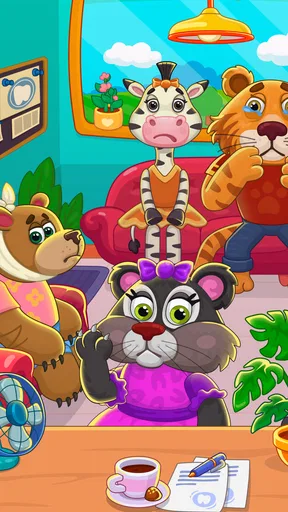
The design of Children's Doctor: Dentist is spot on for its target audience. The characters are cute and relatable, and the overall aesthetic is pleasing without being overwhelming. The app’s developers have clearly put thought into making it visually appealing and accessible for children.
Usability is another area where the app excels. The controls are simple, and the instructions are clear, making it easy for kids to dive right in. There’s a perfect balance between guidance and freedom, allowing children to explore the app without feeling restricted.
Where it fits among children’s games
Compared with a general children’s game, the dental setting gives this one a clear conversation topic and a more focused kind of pretend play. Compared with a video about brushing, it asks the child to act rather than simply watch. That hands-on approach is a strength for kids who like tapping and making choices, while a short real-world demonstration may suit a child who wants clear instructions or has little patience for game interactions.
It is also different from a dedicated brushing timer or routine tracker. I would choose a practical tool for a child who needs help remembering or timing everyday brushing, and choose this game when the goal is imaginative play around dental care. The two approaches serve different needs; playing dentist is not the same as building a daily routine.
There is a useful trade-off in that narrow focus. A child interested in medical role-play may enjoy the dental cases, but someone looking for a broad collection of subjects may prefer a varied educational game. Likewise, children who dislike pretend treatment or find mouth-related imagery uncomfortable may be happier with a story, drawing activity, or another topic altogether.
What Makes It Stand Out?
Now, you might be thinking, "Why should I download another kids' game?" Well, this app isn’t just another game. It’s an educational tool wrapped in entertainment. It’s designed to instill good habits from a young age, which is crucial in developing lifelong dental hygiene practices.
The app also encourages problem-solving and critical thinking. Kids have to identify dental problems and decide the best way to fix them. It’s like a mini-puzzle game, making it not only educational but also mentally stimulating.
Progress without turning play into pressure
I would keep expectations modest about progression. The appeal here is the sequence of pretend cases and the actions a child can try, not a reason to push them to keep playing or to treat completion as a measure of dental knowledge. A child can enjoy one case and stop; that is a perfectly sensible use of a free game, especially if the point is simply to make a dental topic feel familiar.
For families trying to limit screen time, the game is easiest to manage as a short, planned activity rather than an open-ended reward. Let the child know when the play session begins and ends, then move naturally to another activity. That boundary helps keep a themed game from becoming the default answer whenever a child is bored.
Its educational value also has limits. Pretend treatments can introduce ideas, but they cannot tell a child what is happening in their own mouth or replace professional advice. If a child asks about pain, a loose tooth, or a real dental problem, I would answer in age-appropriate terms and rely on a dental professional for care rather than using the game as guidance.
Spending and fairness for families
The game is free to download, but it includes in-app purchases priced from $2.49 to $30.99 per item. That range is worth knowing before handing a device to a child. I would check the purchase controls on the device and make the rule clear in advance: playing is fine, but any purchase needs an adult’s permission.
I can’t judge whether a purchase is worthwhile without knowing what a family values in the game, and I would not treat spending as necessary for a child to learn about brushing or dental tools. A fair approach is to try the free experience first and decide whether the child returns to it enough to justify any optional spending. If a child becomes frustrated by a purchase prompt or starts treating paid content as the goal, I would stop and choose a different activity rather than let the session become a negotiation.
That is the practical fairness question for a parent: not whether buying something gives a child an advantage over other players, but whether the game remains enjoyable without spending and whether a child can use it without making accidental purchases. Keeping an adult nearby at first is a simple safeguard, especially for a young child who cannot reliably distinguish a play button from a purchase choice.
Room for Improvement?
Of course, no app is perfect, and there are a couple of areas where Children's Doctor: Dentist could improve. For instance, adding more diverse characters could make it more inclusive. Also, incorporating a rewards system might enhance motivation, giving kids incentives to keep playing and learning.
Moreover, while the app is generally intuitive, younger kids might still need some initial guidance from parents to get started. A short tutorial or an introductory guide would be a helpful addition for first-time users.
Questions worth settling before a child plays
Parents often want to know whether this is better for independent play or for playing together. In my view, it can work either way after a child has learned the basic controls, but a first shared session is useful: it gives you a chance to see how the child responds to the dental theme and whether they can navigate the activities comfortably.
Another sensible question is whether it can help with fear of the dentist. It may give a child a chance to act out a visit in a playful setting, which could make conversation easier, but each child reacts differently. I would use it as one small starting point, not as a promise of reassurance or a replacement for explaining an upcoming appointment.
Families may also wonder whether the game teaches enough to change brushing habits. I would not rely on a game alone for that. Use the dental theme to support a conversation, then demonstrate and supervise the real routine as needed. And if a child is not engaged by this style of play, there is little reason to insist: a picture book, a simple brushing demonstration, or another educational activity may be a better match.
Final Thoughts
Overall, Children's Doctor: Dentist is a fantastic app that combines fun and education in a seamless package. It’s perfect for parents seeking a productive way to keep their kids entertained while teaching them valuable lessons about dental health.
The app’s charming graphics, engaging gameplay, and educational content make it a must-try for anyone with young kids. So why not give it a whirl? You might just find yourself learning a thing or two about dentistry while you're at it!
My recommendation is to try it when a child is curious about dental care, likes pretend play, or needs an approachable way to start talking about a dentist visit. The 3.6 average rating is a reminder that popularity does not mean universal appeal, so I would let the child’s own reaction decide whether it earns a place on the device. It runs on Android 7.0 and later, and its Everyone age classification makes its intended audience clear, but an adult should still guide younger children around purchases and real-world health questions.
A grounded trust verdict
I’d describe this as a light, specific educational game rather than a complete dental-learning program. YovoGames has made a familiar subject available through pretend treatment, and that can be useful when the child enjoys interactive play. Its strongest role is as a conversation starter and a few minutes of themed entertainment; its weaker role would be serving as a daily brushing coach, clinical explanation, or guaranteed solution for appointment nerves.
If you go in with that distinction in mind, the choice is straightforward: try the free game with your child, see whether the dental activities hold their attention, and keep purchases under adult control. If they enjoy it, use their play as a chance to talk about real tooth care. If they don’t, moving on is easy—and no child needs to enjoy a dentist game to learn good habits.
Pros
- Engaging visuals for kids.
- Easy-to-follow instructions.
- Wide variety of dental tools.
- Encourages healthy habits.
- Interactive and educational.
Cons
- Limited free content.
- In-app purchases can add up.
- Repetitive gameplay elements.
- Some ads interrupt play.
- Requires internet connection.
FAQs for Children's doctor: Dentist
What age group is Children's Doctor: Dentist suitable for?
Children's Doctor: Dentist is designed for children aged 3 to 8. It's an educational app that introduces young kids to dental care through interactive gameplay. The app encourages kids to learn about brushing, flossing, and taking care of their teeth in a fun and engaging way.
Does Children's Doctor: Dentist contain any in-app purchases?
Yes, Children's Doctor: Dentist includes some in-app purchases. While the basic version of the app is free, additional features and characters can be unlocked through purchases. Parents can disable in-app purchases through their device settings to prevent accidental transactions.
Is Children's Doctor: Dentist safe for my child to use?
Children's Doctor: Dentist is designed with child safety in mind. It features a user-friendly interface and age-appropriate content. The app does not contain any ads, ensuring a distraction-free experience. However, parental supervision is recommended, especially if the child is accessing the in-app purchase options.
Can Children's Doctor: Dentist be played offline?
Yes, Children's Doctor: Dentist can be played offline. Once downloaded and installed, the game does not require an internet connection, making it a great option for travel or areas with limited connectivity. However, an internet connection is needed for any updates or in-app purchases.
What educational benefits does Children's Doctor: Dentist offer?
Children's Doctor: Dentist offers several educational benefits, including teaching kids the importance of dental hygiene. Through interactive gameplay, children learn how to brush and floss their teeth, understand the role of a dentist, and develop healthy habits. The app effectively combines fun with learning, making it an excellent educational tool.


